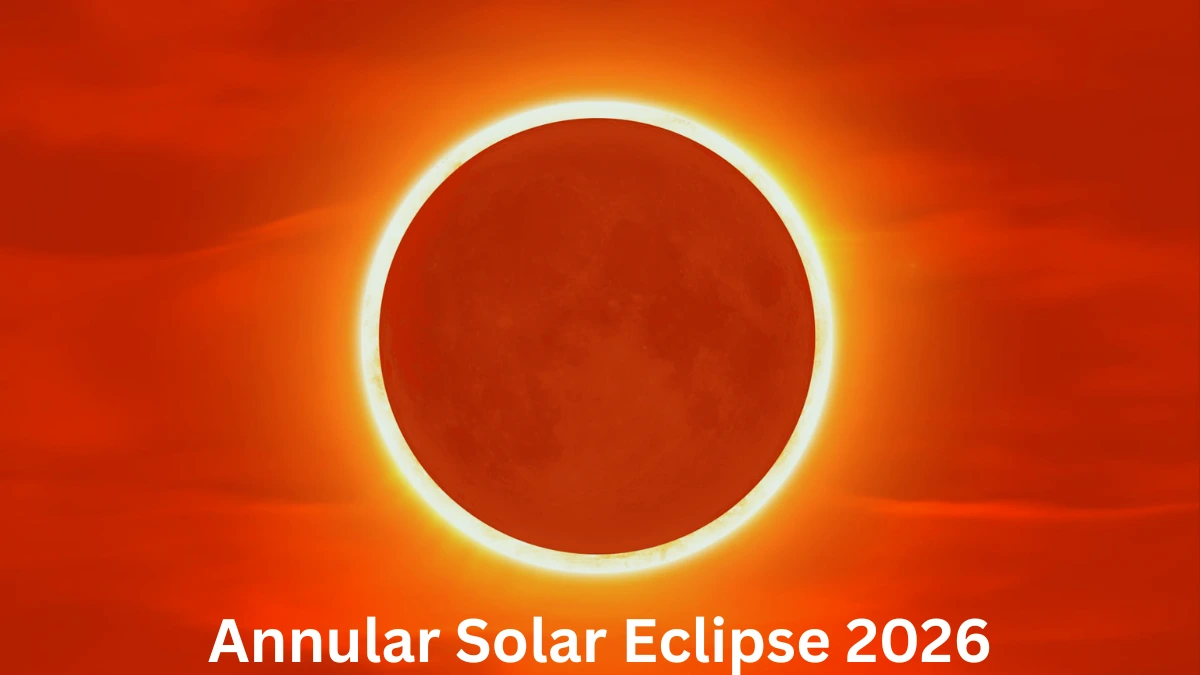
Annular Solar Eclipse 2026: The Annular Solar Eclipse on February 17, 2026 is one of the most fascinating astronomical events of the year. Often called the “Ring of Fire” eclipse, this rare phenomenon will create a glowing ring around the Moon — but only for viewers in one of the most remote regions on Earth: Antarctica.
If you’re searching for annular solar eclipse 2026 tickets, here’s the reality: this isn’t a stadium event with entry passes. However, you can secure access through specialized Antarctic expeditions — or plan ahead for the more accessible Total Solar Eclipse in August 2026.
What Is the February 17, 2026 Annular Solar Eclipse?
An annular solar eclipse happens when the Moon is at its farthest point from Earth (apogee). Because it appears smaller, it does not completely block the Sun — leaving a bright circular ring around the edges.
Key Details
| Detail | Information |
|---|---|
| Date | 17 February 2026 |
| Eclipse Type | Annular Solar Eclipse |
| Start (UTC) | 09:56 |
| Maximum (UTC) | 12:12 |
| End (UTC) | 14:27 |
| Duration of Annularity | Up to 2 minutes 20 seconds |
| Max Coverage | ~96% of Sun’s center |
This event will primarily pass over Antarctica and the Southern Ocean.
Where Will the “Ring of Fire” Be Visible?
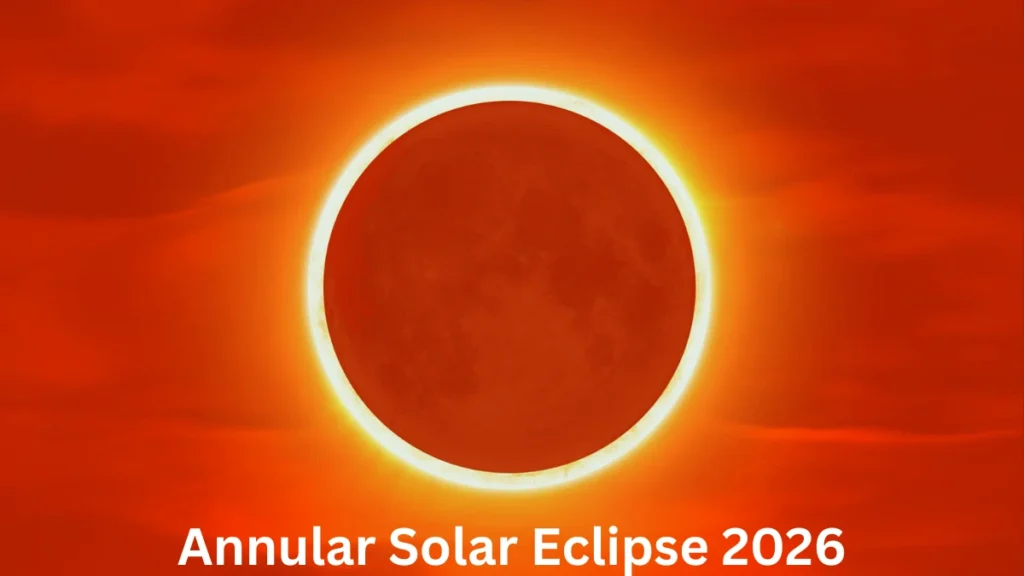
Path of Annularity (Full Ring View)
- East Antarctica (coastal regions)
- Research stations like Concordia Station
- Research stations like Mirny Station
The annular path is approximately 616 km wide — but it crosses extremely remote terrain.
Partial Eclipse Visibility
You can see a partial eclipse (Sun appears “bitten”) from:
Southern Africa
- South Africa
- Namibia
- Botswana
- Zimbabwe
- Mozambique
South America
- Southern Chile
- Southern Argentina
Indian Ocean Islands
- Madagascar
- Mauritius
- Réunion
India Visibility
The eclipse will NOT be visible in India, as the Sun will be below the horizon during the event.
Annular Solar Eclipse 2026 Tickets – How Do You Book?
Annular Solar Eclipse – February 17, 2026 (Antarctica Access)
| Category | Details |
|---|---|
| Ticket Type | No standard tickets |
| Access Method | Antarctic Expedition Cruises |
| Experience Type | Cruise expedition / Research-based program / Luxury voyage |
| Availability | Extremely limited |
| Booking Timeline | 1–2 years in advance |
| Cost Category | Premium / High-end travel |
| Viewing Benefit | Full “Ring of Fire” visibility |
| Included Features | Eclipse viewing decks, Astronomer guidance, Scientific commentary, Ice-class vessels |
| Recommendation | Book early due to limited capacity |
Total Solar Eclipse – August 12, 2026 (More Accessible Option)
| Category | Details |
|---|---|
| Eclipse Type | Total Solar Eclipse |
| Main Countries in Path | Iceland, Spain, Greenland |
| Ticket Requirement | Required for tours, cruises & festival events |
| Travel Options | Guided tours, Eclipse cruises, Arctic voyages |
| Demand Level | Very high |
| Booking Advice | Reserve early (high demand) |
| Special Event | 4-day music festival in Iceland (Aug 12–15, 2026) |
| Best For | General travelers & eclipse enthusiasts |
Can You Watch It Online? (Free Option)
If Antarctica travel isn’t feasible:
You can watch the eclipse livestreamed by:
These streams typically provide:
- Live telescope feeds
- Scientific explanations
- Commentary by astronomers
- Safe viewing experience
This is the most practical option for viewers in India and most of Asia.
Scientific Importance of the February 2026 Eclipse
Although remote, this eclipse is valuable for research.
Why Scientists Care
- Solar chromosphere observation
- Atmospheric radiation analysis
- Satellite calibration timing
- Solar energy system stress testing
- Climate response modeling
Research stations in Antarctica will use this opportunity to gather high-precision data.
Spiritual & Astrological Interpretations
In Vedic traditions:
- Eclipses are seen as karmic reset periods
- Considered powerful for meditation and mantra practice
- Associated with inner transformation
- Some astrologers link this eclipse to Dhanishta Nakshatra influence
However, since the eclipse is not visible in India, traditional ritual observance may vary regionally.
Safety Guidelines – Extremely Important
Never look directly at the Sun during any phase of a solar eclipse without:
- ISO-certified eclipse glasses
- Solar viewing filters
- Approved telescope solar filters
Improper viewing can cause permanent retinal damage within seconds.
Comparison – February vs August 2026 Eclipses
| Feature | February 17, 2026 | August 12, 2026 |
|---|---|---|
| Type | Annular | Total |
| Accessibility | Extremely Remote | Highly Accessible |
| Main Location | Antarctica | Spain, Iceland, Greenland |
| Ticket Type | Expedition Cruise | Tours, Cruises, Events |
| India Visibility | No | No (Europe focused) |
| Popularity | Niche / Scientific | Very High |
Annular & Total Solar Eclipse 2026 – Do’s and Don’ts
| Do’s | Don’ts |
|---|---|
| Book Antarctic expedition cruises 1–2 years early for February 17, 2026 | Don’t wait until the last minute — most eclipse cruises sell out early |
| Use ISO-certified eclipse glasses for safe viewing | Don’t look directly at the Sun without proper solar filters |
| Compare Spain, Iceland, and Greenland packages for August 12, 2026 | Don’t assume accommodation will be available close to the eclipse date |
| Check weather forecasts for your viewing location | Don’t rely on one single viewing spot without backup options |
| Choose guided tours with astronomer commentary | Don’t book unverified operators without reviews or safety credentials |
| Consider livestreams if travel isn’t feasible | Don’t risk unsafe DIY viewing methods |
| Arrive at your viewing destination at least 1–2 days early | Don’t travel on the same day as the eclipse (flight delays can ruin plans) |
| Carry backup solar glasses and camera filters | Don’t use regular sunglasses or exposed cameras |
FAQs
1. Is there an official ticket for the February 17, 2026 annular solar eclipse?
No. There are no public entry tickets. To see the full “Ring of Fire,” you must book an Antarctic expedition cruise.
2. Where will the February 17, 2026 eclipse be fully visible?
The path of annularity crosses remote parts of Antarctica and the Southern Ocean.
3. Will the February 2026 solar eclipse be visible in India?
No, it will not be visible in India because the Sun will be below the horizon during the event.
4. How long will the “Ring of Fire” last?
The annular phase will last up to approximately 2 minutes and 20 seconds at maximum.
5. Is it safe to look at the Sun during the eclipse?
Only with ISO-certified eclipse glasses or proper solar filters. Never look directly at the Sun without protection.
6. What is the difference between an annular and total solar eclipse?
In an annular eclipse, the Moon appears smaller and leaves a bright ring around the Sun. In a total eclipse, the Moon completely covers the Sun, turning day briefly into night.
7. When is the next major solar eclipse in 2026?
A Total Solar Eclipse will occur on August 12, 2026, visible in Iceland, Spain, and Greenland.
8. Do I need tickets for the August 12, 2026 total solar eclipse?
You don’t need tickets to view the sky, but guided tours, cruises, and special events (like festivals) require booking.
9. Can I watch the eclipse online?
Yes. Organizations like NASA and the Virtual Telescope Project usually provide free livestream coverage.
10. Why are eclipse cruises so expensive?
They operate in remote regions with limited capacity, specialized vessels, expert guides, and high operational costs, making them premium travel experiences.
About The Author